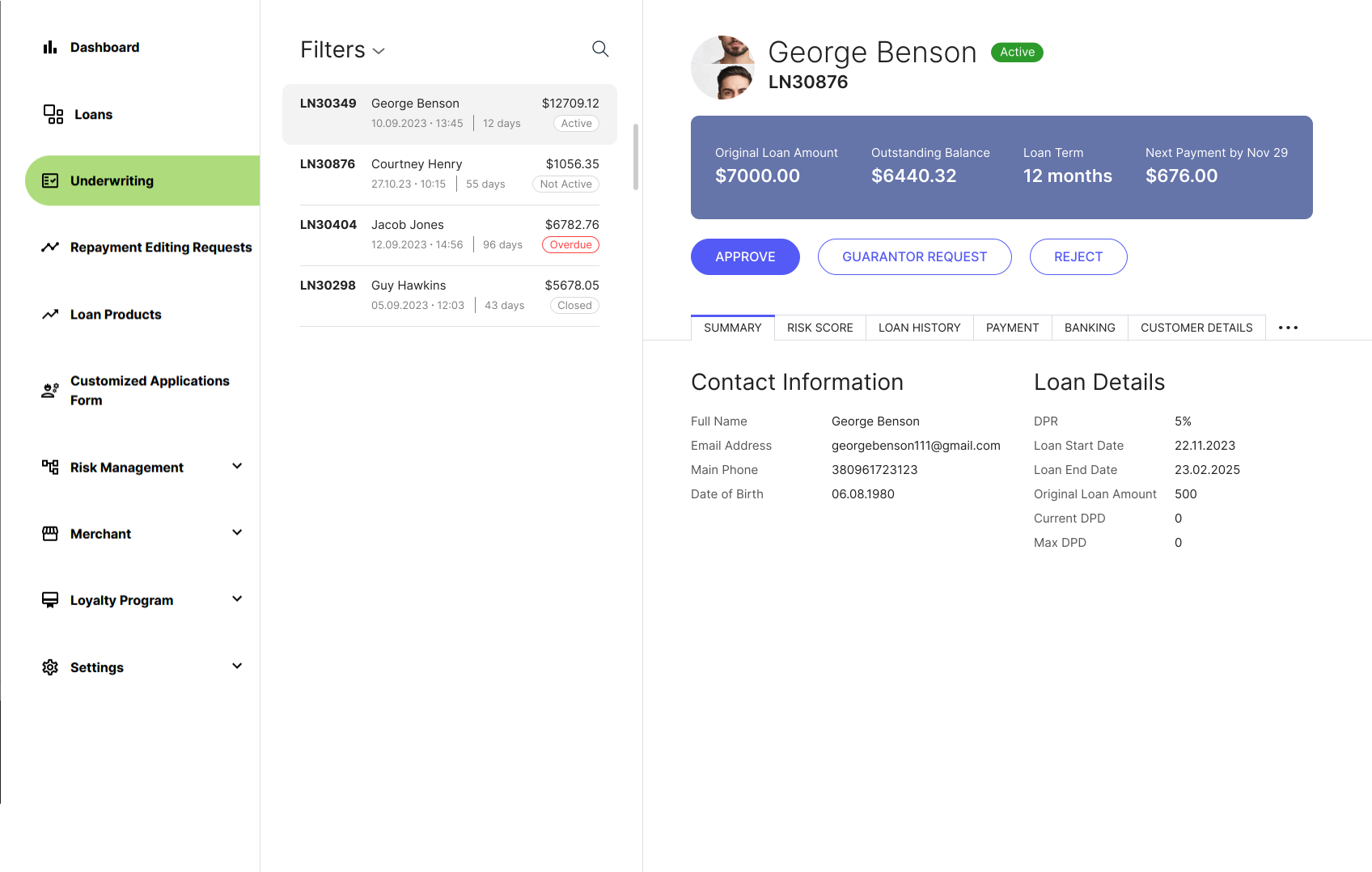


Simplifying the Loan Origination Process: Enhancing Efficiency with an Advanced Loan Origination System
With the current challenges lenders face, improving operational efficiency and upgrading capabilities impis essential to meet market demands and prepare for the future. Financial institutions are prioritizing modernizing their loan origination process steps to overcome the negative impact of outdated technology, which results in higher operational costs and inefficiency. They’re looking for an innovative digital loan origination system, such as the Compassway loan origination system, to support their efforts in digital transformation. This strategic approach is crucial to ensure lenders’ future success and profitability.
This article delves into perspectives on operational efficiency in lending organizations from the viewpoint of technological capabilities, customer expectations, and staff resources.
Table of Contents
- Reduced Lending Process Costs
- Disparate Lending Origination Systems (LOS)
- Manage Risk and Control Default
- Reporting & Analytics
- Deliver Customer-Centric Products
- Enhance Customer Experience in Digital Lending
- Staff Productivity
- Conclusion
Reduced Lending Process Costs
The loan origination process in financial institutions is often complex and time-consuming. This multifaceted journey involves data collection, borrower information verification, credit assessments, and strict adherence to regulatory requirements. We have outlined three key objectives to streamline and optimize this critical process.
First and foremost, our primary goal is to empower customers through self-service loan applications. By facilitating a seamless self-service experience, we aim to expedite the customer onboarding process. This approach allows borrowers to complete transactions and access vital information without constant employee assistance. By implementing an advanced loan origination system, borrowers can navigate the application process independently, enhancing their overall experience.
Secondly, we are committed to reducing employees’ time on information retrieval and administrative tasks. Harnessing the capabilities of an automated online lending process system, we equip managers with tools to monitor work queues efficiently. This real-time insight provides a comprehensive view of ongoing activities within the organization. Managers can swiftly identify potential bottlenecks or issues and respond to changing conditions with agility. This reallocation of work resources ensures that the loan origination process remains efficient and effective.
Lastly, our strategy includes the implementation of flexible end-to-end digital lending process workflows, bridging the gap between front and back offices. This strategic move significantly enhances processing speed and overall operational efficiency. By seamlessly connecting various phases of the loan origination workflow, we can ensure smoother transitions and minimize delays. This integration optimizes the utilization of resources, reduces redundancy, and ultimately accelerates the process.
Disparate Lending Origination Systems (LOS)
Lenders often face operational inefficiencies when managing consumer and business loans using various loan origination systems. Using multiple automated lending platforms hinders their ability to gain a comprehensive view of loan accounts and transaction data across the organization, leading to missed cross-sell opportunities, ineffective communication, and inconsistent retrieval and verification of data. Ensuring data integrity throughout the organization can be challenging, making validating and certifying customer data even more difficult. Utilizing an end-to-end lending platform (LOS) with multiple solutions is crucial to overcome these challenges. This gives lenders real-time awareness of loan transactions across the organization, providing new ways to manage costs and generate revenue.
Manage Risk and Control Default
Risk management and default prevention are crucial aspects for loan providers. In this regard, a digital loan origination solution can be customized to include loan preselection standards, auto knockouts, and instant validations based on business needs and financial products. In addition to convenience, modern LOS solutions contribute to digital identity verification, a crucial aspect of the lending process. Through advanced verification mechanisms, financial organizations can establish the identities of borrowers more efficiently and securely, reducing the risk of fraud and identity theft. This safeguards the institution and enhances the trust borrowers place in their lenders. Such measures aid in mitigating credit risk, avoiding costly losses, and preserving credit availability for deserving borrowers. Incorporating internal and external data sources in credit decision-making enhances the quality of credit decisions. Objective financial information and other risk-correlated factors promote consistency across loan origination system workflow. With digital lending software, evaluating credit and direct applications through appropriate processes for each deal becomes easier. Credit decision engine software automation provides opportunities to make fast and accurate credit decisions on every application and reach high business performance rates.
Reporting & Analytics
Utilizing the digital lending management solution, lenders rely on real-time analytics and reporting to gain valuable insights into their business. These insights are crucial in identifying growth opportunities, mitigating risks, and optimizing lending strategies. Financial institutions can quickly identify potential defaulters or borrowers facing financial difficulties by monitoring loan performance metrics continuously. This enables lenders to take proactive measures such as early intervention strategies, loan restructuring, or adjusting credit limits to minimize losses and risks. Moreover, analyzing customer data helps lenders understand their financial needs, preferences, and creditworthiness, allowing them to personalize loan offers, tailor marketing campaigns, and provide personalized recommendations. Ultimately, this results in enhanced customer satisfaction, loyalty, and retention.
Deliver Customer-Centric Products
The financial market has changed significantly due to the rise of tech-savvy Millennials and Generation Z consumers. Their consumer ideologies and behaviors prioritize “instant gratification” and digital habits. Traditional banks’ old-fashioned approach to lending is at risk of falling behind in the current online lending services landscape. Instead of focusing solely on products, online lending services are expected to prioritize customers’ unique needs and provide them with the best financing options. All decisions should revolve around the customer, including the loan application and onboarding process, which should be digital to meet today’s standards. To remain relevant, banks must rethink their customer journeys and create a digital lending process that is seamless from start to finish. This means origination, eligibility checks, approval, and servicing should be completed with just a few clicks. With consumers already accustomed to streamlined digital transactions, a user-friendly lending application interface is crucial for success. It’s essential to prioritize customer experience and sustainable engagement instead of solely focusing on transaction processing. By offering lending services, you can open opportunities for cross-selling that can contribute to the customer’s overall lifetime value.
Enhance Customer Experience in Digital Lending
For lending businesses, adopting a modern loan origination system (LOS) is crucial in streamlining the loan origination workflow and meeting the diverse needs of customers. Today’s financial organizations must remain flexible, offering borrowers various options to apply for loans.
One of the key advantages of a robust LOS is the ability to offer a seamless and consistent experience across multiple channels. Borrowers can initiate their loan applications through the medium of their choice and seamlessly transition between them. They can start an application online, save their progress, and resume it later in the branch or through a call center. Moreover, self-service portals integrated into the LOS allow customers to upload necessary documents and track the status of their applications. Digital signing capabilities further empower borrowers to complete the loan application process from the comfort of their own homes.
This omnichannel approach not only makes the lending process more accessible but also enhances the overall customer experience. Financial institutions can better serve their existing clientele and attract new clients by providing multiple touchpoints for interaction. Customers appreciate the flexibility of choosing how they engage with their lenders, and this flexibility reduces the likelihood of dropouts during the application process. It also accelerates the onboarding process, ensuring borrowers can access funds quickly when needed.
Personalization is critical to providing a superior customer experience and staying competitive in today’s market. LOS platforms with AI-powered credit engine capabilities can analyze borrower behavior patterns and integrate them with existing systems to personalize financial services and promotional strategies. This level of personalization goes beyond generic offerings and caters to each borrower’s unique financial needs and preferences.
Staff Productivity
Automating processes can reduce costs and increase productivity, allowing banks to handle more transactions without hiring extra staff. To maintain efficiency and data security, using loan origination software that allows customized roles and permissions based on lending policies is essential. This ensures that each team member can access the necessary information and tools to perform their duties effectively. An integrated lending management solution is recommended to bring underwriting, business, and operations teams together for seamless collaboration and communication. A centralized digital lending platform establishes an efficient workflow, allowing staff to focus on tasks and responsibilities.
Conclusion
In conclusion, we recognize the challenges inherent in the loan origination process for financial institutions. These strategies and adopting a state-of-the-art loan origination system pave the way for a more streamlined and customer-centric loan origination experience, benefiting both borrowers and financial institutions.
Adopting a modern loan origination system (LOS) and embracing an omnichannel approach is essential for lending businesses in today’s dynamic market. To address the market challenges and drive operational efficiency, we focus on empowering customers with self-service capabilities, reducing employee time spent on routine, time-consuming tasks through the automated loan origination process, and implementing flexible digital lending workflows. Such systems enhance operational efficiency, reduce customer dropouts, and facilitate digital identity verification. Furthermore, by incorporating AI-powered personalization, financial organizations can provide superior customer experiences that cater to each borrower’s unique needs and preferences, ultimately driving customer loyalty and business success.
Lenders must assess the efficiency of their loan origination system to identify any areas for improvement and enhance operational productivity. It is crucial to note that the advantages of automation can only be fully realized when lenders shift to digital loan origination systems. The digital loan origination system is a critical component of loan software for lenders that upgrades the traditional manual loan processing and promotes the evolution of lending services. It’s difficult to overestimate the impact of loan process digitization, which has an advantageous effect on finance organizations at every stage of the loan procedure. Loan origination software is a crucial tool that can help you become a turnkey lender and meet the challenges of a changing industry. Choosing the correct loan origination automated platform is essential for implementing the abovementioned approaches to reduce costs and significantly improve operational efficiency, increasing margins and profitability.
Valentina Zhukovska
CompassWay
Financial sector professional, combining the knowledge of large-scale bank operations and cutting-edge fintech technology.
The leading professional areas are transforming traditional banking operations into digital banking and extending this access to banking services to unbanked and underserved clients.