
Implementing Payday Loan Software: A Comprehensive Examination

In recent years, the scope of digitization in the microfinance sector has grown significantly. Microfinance institutions (MFIs), especially in developing countries, are increasingly embracing digital transformation to enhance their operations and outreach. The integration of advanced technologies, particularly in the realm of FinTech, is proving to be a game-changer for microfinance institutions (MFIs). The payday loans market, which was valued at approximately $33.5 billion in 2022, is anticipated to grow to around $42.6 billion by 2030. The adoption of sophisticated loan management software is increasingly critical for MFIs aiming to capture a substantial share of this expanding market to provide low-cost financing options, streamline operations, and expand their reach to previously unbanked populations.
Technology Implementation Guide for Selecting and Integrating Payday Loan Software
The guide is tailored for microfinance institutions (MFIs) or smaller financial institutions that are either considering purchasing a new off-the-shelf software solution or looking to enhance their existing systems. It offers a structured approach to navigating the complexities of selecting and implementing technology that aligns with their specific operational needs. This guide is particularly beneficial for those looking to establish or enhance a payday loan business. It offers valuable insights into how to start a payday loan business effectively, streamline operational processes, and improve overall efficiency. For entrepreneurs and institutions eager to provide superior service, this guide also highlights the use of the best payday apps, which can greatly enhance customer interaction and satisfaction. By integrating advanced technological capabilities, businesses can ensure they meet the evolving demands of the market and maintain a competitive edge in the fast-paced world of payday lending. The contents provide practical advice on evaluating software options, integrating new systems with existing operations, and managing the transition effectively to minimize disruptions and maximize the return on investment.
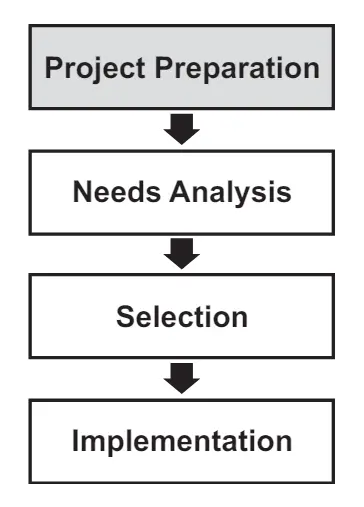
Image 1.Stages of Project Lifecycle: From Preparation to Implementation
Project Preparation
In the payday loan industry, launching a large-scale technology project like implementing advanced payday loan software affects the entire business, not just the IT department. It’s crucial that decisions throughout the project involve staff and key decision-makers from all areas of the microfinance institution. This inclusive approach ensures that the project objectives, requirements, and potential solutions are well-defined and align with the broader business goals, especially when considering how to start a payday loan business. During the project preparation phase, the team must develop a deep understanding of the problems to be addressed, the expected outcomes, the potential risks, and the resources required. Vetting these elements with a diverse group of staff and management not only builds consensus but also helps manage expectations about what the project will and will not achieve. Engaging a wide range of staff from the onset of the project fosters positive momentum and ensures that the implementation of the loan software will truly support the operational needs and strategic objectives of the payday loan business. This holistic approach not only streamlines the integration process but also maximizes the impact and effectiveness of the new loan software.
Needs Analysis
When developing a payday loan business plan, especially considering how much to start a payday loan business, it is essential to project at least three years into the future. This foresight allows for the creation of a robust framework for products and processes that may not currently be part of your institution but are crucial for scaling operations and enhancing service offerings.
To sustain long-term growth and adaptability without incurring unnecessary initial costs, consider investing in modular platforms such CompassWay payday loan management software . The platform offer the flexibility to add or upgrade modules as your business needs evolve, which is particularly advantageous in the dynamic market of payday lending. This approach not only helps manage upfront costs but also positions your business to boost finance options effectively as opportunities arise, ensuring that your infrastructure can support both current and future demands.
Drafting an effective requirements document is crucial for any payday loan business startup, especially when determining how to start a payday loan business online. This document should prioritize the core processes essential to the business’s operations, ensures that the most critical functionalities are adequately addressed, providing a robust foundation for the business.
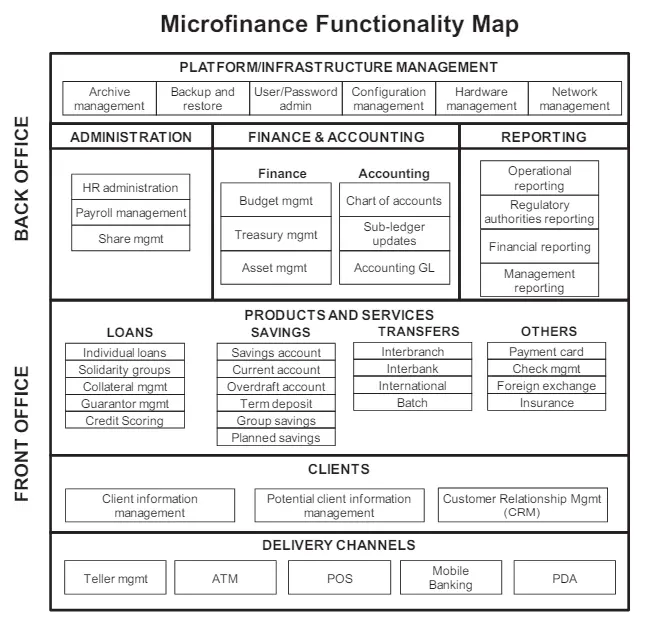
Image 2.Microfinance Software Functionality Map
When upgrading to new loan software or implementing loan management software, it is beneficial to categorize requirements into three distinct groups to ensure comprehensive coverage of all aspects of the system’s functionality and integration.
Functional Requirements
Start by conducting a thorough assessment of your existing lending business software . This evaluation will help you understand which aspects are functioning effectively for your payday solutions and which are not meeting your needs. Describe the type of information the system will generate and outline how this information will be used to make business decisions, improve customer service, or enhance operational efficiency.
Operational Requirements
Focus on functions related to the system’s operating environment, including user access controls and security measures. This category ensures that the loan software or loans management software adheres to industry standards and regulatory requirements, safeguarding both client data and institutional integrity.
Technical Requirements
Define the technical specifications required for the software to operate efficiently. This includes hardware capabilities, software compatibility, network requirements, and integration capabilities with existing systems.
Prioritize Requirements
When prioritizing requirements for an online loan payday software or a payday loan website using an advance loan system, it’s important to strategically define priorities based on the timing and certainty of the needed functionality. This approach ensures that the development and enhancement of the system are aligned with the microfinance institution’s (MFI) operational needs and growth trajectory.
Essential Functionality: This category includes all features and functions that are crucial for the current operations and those that the MFI is certain it will require within the next five years. This ensures that the system can immediately support essential business processes and is prepared for anticipated needs, maintaining both current and short-term future operations.
Desired Functionality: These are features that may become necessary in the next five years but are not currently essential. Including these functionalities should be based on a careful analysis of potential business growth and market changes. This foresight allows for scalability and adaptability without overcommitting resources at the present.
Nice to Have Functionality: This category covers functionalities that might be useful someday but are not currently important. These features should only be considered if they do not significantly add to the cost or complexity of the system. Incorporating these functionalities can be deferred until there is a clearer indication of their necessity or if they become economically feasible.
By categorizing functionalities into these groups, an MFI can effectively prioritize its investment in technology, ensuring that critical needs are met while also planning for future expansion. Such structured approach aids in managing budget allocations and helps in making informed decisions of selecting and implementing advanced loan systems that align with both current needs of the your payday loan business and future growth objectives in the payday loan business.
Business process maps
Conducting a business process mapping exercise provides a good opportunity to review the efficiency of current systems. Mapping out existing processes may highlight redundancies or areas for improvement, so the institution may consider undertaking some degree of business process reengineering. However, note that this may be a significant effort, and it should be closely coordinated with the implementation of the technology platform. Alternatively, if the microfinance institution identifies a number of significant changes to be made, another approach is to delay implementing improvements until the new solution is selected. That would afford an opportunity to map processes to the new lending business software , providing efficiency gains and optimization of the new online loan software.
SaaS versus Licensed Model
In the realm of microfinance software delivery, the choice between Software as a Service (SaaS) and the traditional licensed model is pivotal. The SaaS business model is increasingly popular due to its convenience and scalability. In this model, the software vendor hosts and maintains the loan software , offering it to customers over the Internet through a subscription-based pay-per-use arrangement. This approach often utilizes a SaaS pricing model where institutions are typically charged based on the number of customers or accounts they manage.
Conversely, the traditional licensed model involves the customer purchasing a software license, potentially for multiple users and branches, depending on their size and scope. In this arrangement, the customer is responsible for hosting and maintaining the software themselves. This model may involve significant upfront costs and requires the institution to handle ongoing maintenance and updates.
The SaaS model offers several advantages in terms of cost-efficiency and operational flexibility, particularly attractive for financial institutions looking to open payday loan business and minimize initial capital outlay and scale services in line with growth. Additionally, the SaaS sales model benefits vendors by providing a steady, predictable revenue stream, while users enjoy the benefits of continuous updates and support without the need for in-house technical expertise. This makes the SaaS model a compelling choice for microfinance institutions aiming to leverage the latest technologies loan business software with reduced overhead and increased efficiency.
Selection
To effectively select the best payday loans app for your financial institution, it’s important to design an evaluation methodology that prioritizes business needs alongside technical capabilities. Begin by using a well-crafted requirements document to conduct a quantitative evaluation, ensuring that the criteria are clearly defined and aligned with the institution’s objectives. This approach facilitates a streamlined evaluation process designed to yield the most advantageous outcome for the institution’s payday loan business needs.
To mitigate risks, engage in a comprehensive product demonstration and loan management software free trial before into detailed contract negotiations. Structure the payment schedule to incentivize the vendor for timely and complete delivery.
Be prepared to make some adaptations in your processes to accommodate the new loan software. Rarely does an off-the-shelf product meet 100 percent of an MFIs needs. A more realistic goal is to find a solution that aligns with about 80 percent of the requirements, understanding that some institutional processes may need to be adjusted to fully integrate with the new microfinance software. This flexibility is key to successfully implementing a system that enhances operational efficiency and meets critical business objectives.
Implementation
Develop and execute a meticulously detailed implementation plan for deploying software in microfinance settings. This is crucial because if issues arise during the implementation, they can be challenging to rectify, potentially leading to prolonged difficulties with the microfinance loan management software. A comprehensive and carefully structured implementation plan is essential to minimize risks and effectively manage the intricate process of software deployment.Engage a diverse group of staff members in the testing process. Include individuals who will use the system regularly, across various functions. This approach ensures that the new system is rigorously tested and validated under realistic conditions, helping to quickly identify and address any inconsistencies, bugs, or potential issues.Avoid running the old and new loan software systems simultaneously for an extended period. Operating both systems in parallel can be complex and prone to significant issues if not meticulously managed. A well-planned implementation strategy should aim to reduce the duration of parallel operations, limiting it only to the necessary time required to ensure the new system functions correctly and meets all operational needs.
Key Takeaway
The key takeaway from the discussions on implementing payday loan systems is the critical importance of a strategic and well-planned approach. Essential steps include conducting comprehensive market research, assessing client demographics, and understanding regulatory compliance. Additionally, drafting a clear payday loan business plan, and being cautious with budgeting for startup costs are pivotal. When choosing technology solutions like payday loan management software or apps, prioritize essential functionalities while maintaining flexibility for future scalability. Engage in a meticulous requirements-gathering process, involving stakeholders from various business units to ensure that the chosen solution aligns with both current operational needs and long-term business objectives. Lastly, follow a detailed implementation plan and conduct thorough User Acceptance Testing (UAT) to mitigate risks and ensure the system meets the institution’s needs before fully transitioning to the new software, minimizing the need for parallel system operation.
Navigation: